Film Review: "Godzilla Minus Zero"
Takashi Yamazaki usurped expectations with Godzilla Minus One three years ago. Can he do it again with the Kaiju-clashing sequel?
The Japanese Reiwa-era films have been especially good to everyone’s favorite skyscraper-sized lizard. Shin Godzilla honed in on a keen fascination with how Godzilla evolves in the face of destruction, then Minus One reinvented the franchise whole cloth as a tale of survivors guilt and community healing through trauma. The first proper sequel of the series to come from Toho in over 20 years, Minus Zero is faced with the particularly tricky task of balancing what made it’s predecessor so special that it won an Oscar, while also delivering the goods with some Kaiju on Kaiju demolition.

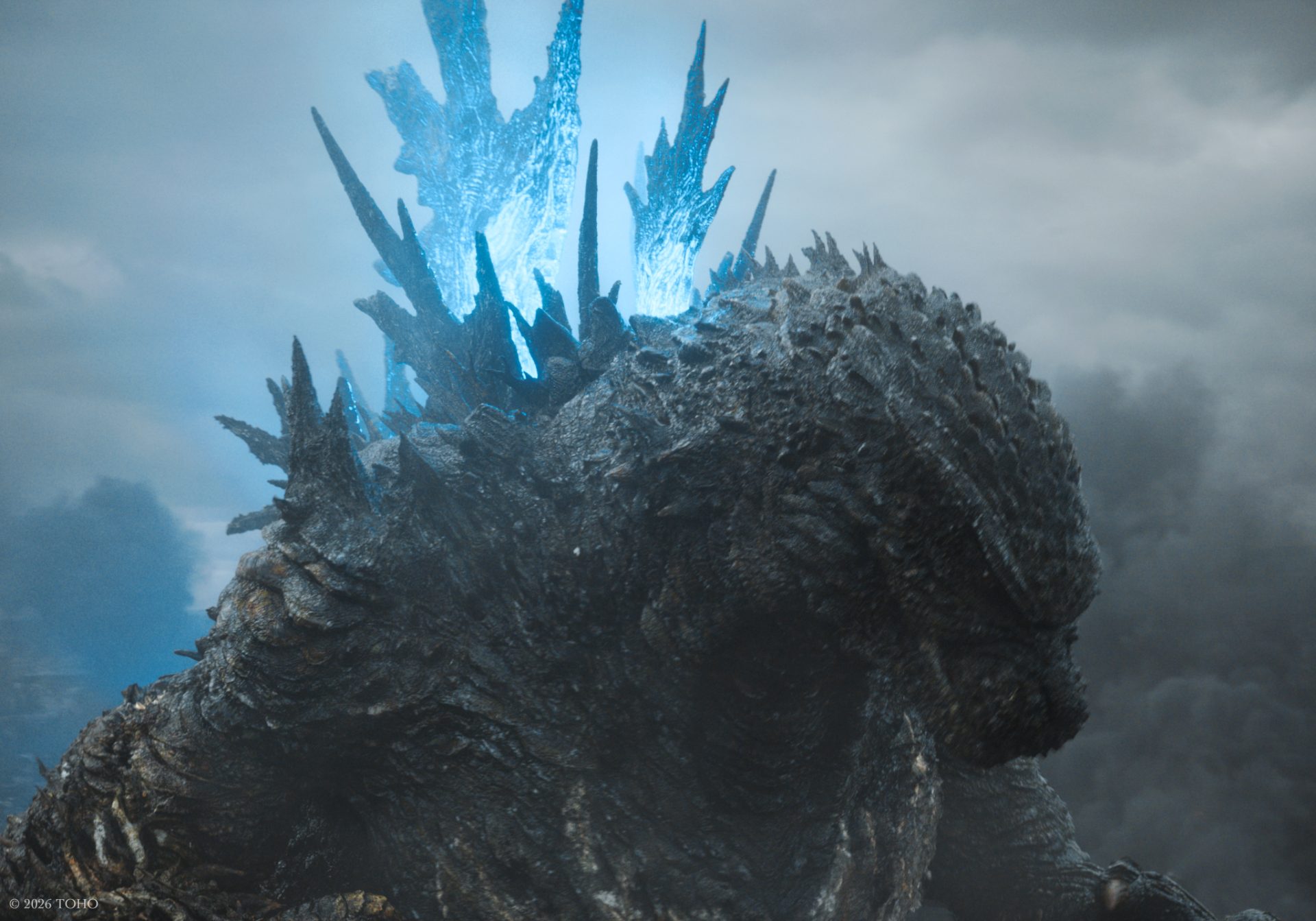
Yamazaki is smart to not repeat himself. Minus Zero is anything but a retread of Minus One, and it also not a riff on the original sequel Godzilla Raids Again. Instead, he’s drafted Goji’s greatest foe for the roster, and introduces the terrifying King Ghidorah within the first half hour of the film. The awesome three-headed, lighting spewing xeno-Dragon is at his most epic in this presentation. Every bolt that he unleashes with a roar shakes you in your seat, and the film makes it clear that he’s much more of a malicious force than the many misunderstood monsters of Godzilla’s rogues gallery.
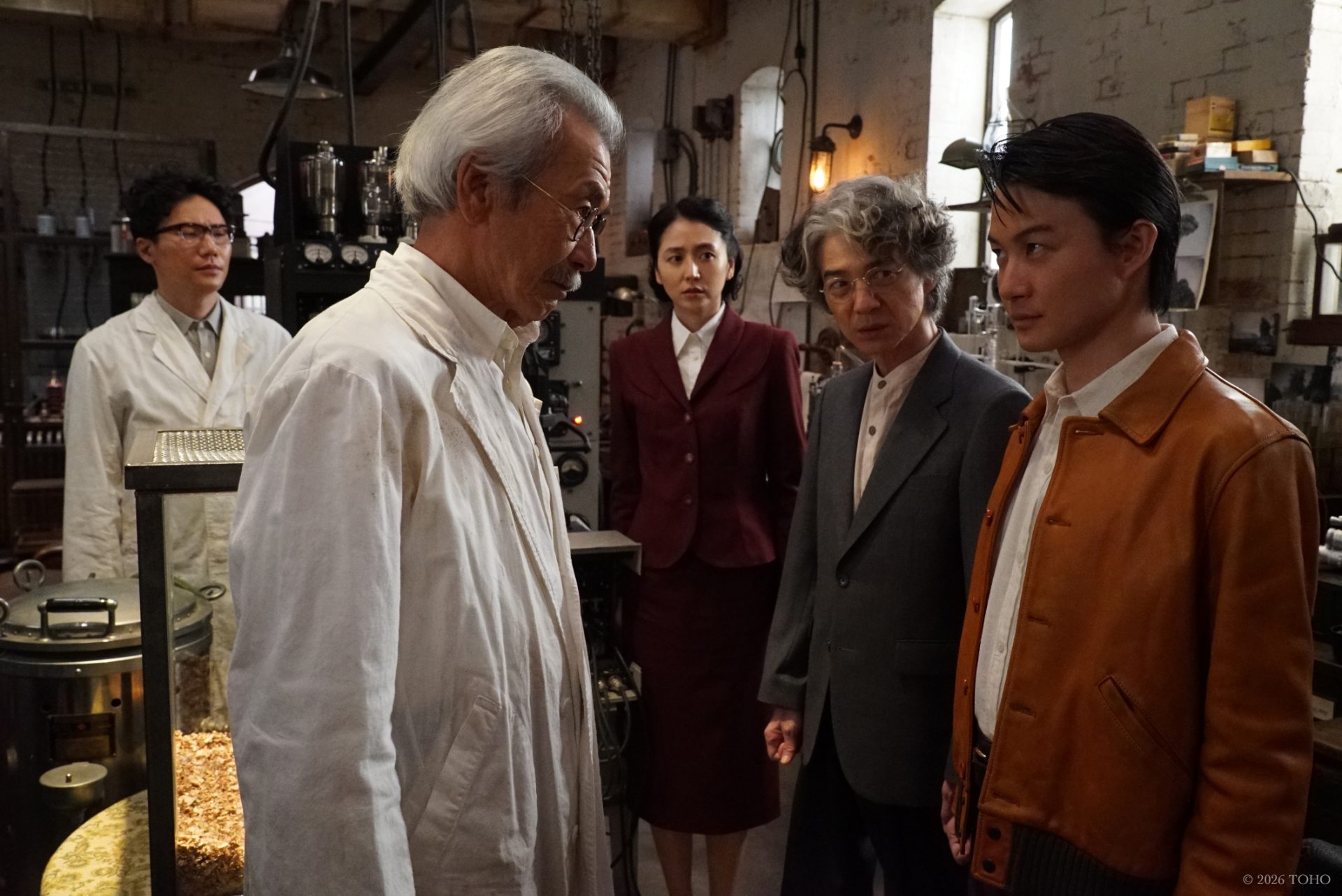
The standout sequences of this film are well spread out. The human drama never reaches the same highs as its predecessor, but that doesn’t mean we are not still invested with the little guys. The ensemble cast brings the goods and keeps things moving and captivating between the times the frame opens to jaw-dropping 1.43:1 IMAX for its highlights.
Those highlights come in four scenes. The first human-on-Ghidorah clash is a thrilling bomber run that evolves into a chase sequence. The sound design, visual effects and cinematography shine here. The Godzilla Takes Manhattan fantasy sequence is horrifying and quite memorable, and the climactic Godzilla versus Kong Ghidorah fight brings the goods that the American films of the last decade never could. But, the most jaw dropping scenes of the film actually come in a set of Hiroshima flashbacks—a direct response to the widespread criticism of what Oppenheimer did and did not show. It’s been said of many recent films to the point of meaninglessness, but see this one the biggest, loudest screen possible.

Yamazaki has played coy in the press when asked about completing his trilogy. The challenge waits from Biolante, a fan-favorite Heisa-era monster that’s alluded to in this story. But Hedorah, a rarely-used and thematically relevant Showa-era foe, would also make for a fitting trilogy capper to the Goji renaissance. We can only hope the filmmaker steps up to bat once again and hits another home run in a few years time.
★★★★½
Kenna Wong Ghaill