Film Review: "Wild Horse Nine"
America's finest over-actor turns down the volume for this downbeat western from acclaimed writer-director Martin McDonagh.
Martin McDonagh’s early works were defined by their boundless frenetic energy and relentless pace. The bullets that fly in In Bruges and Seven Psychopaths do so at a mile a minute, as does the foul language he is known for as a filmmaker and playwright. While his language has remained consistent, familiar to those who have been following his work since The Pillowman broke out on stage, McDonagh has settled into middle age with a somber reflectiveness. At once he balanced his old and new instincts in Three Billboards Outside Ebbing, Missouri, but then he gave way to the dreadful march towards death we all face in 2022's The Banshees of Inisherin and now Wild Horse Nine, in theaters everywhere next Friday.

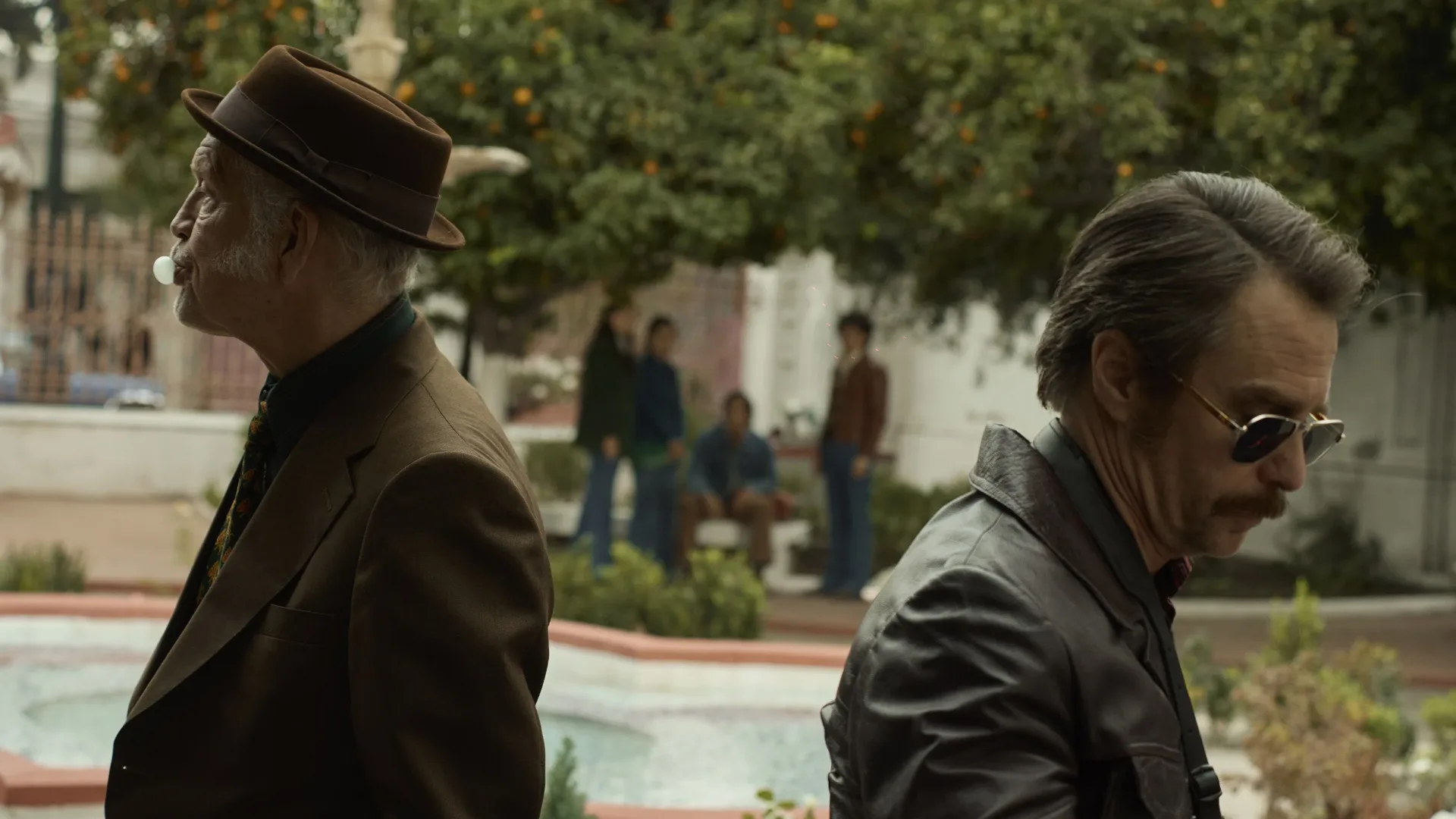
McDonagh's filmmaking approach has often been regarded as "Tarantino-esque." Hard men that are soft on the inside walk into rooms with their hands on their pistol-lined hips and blast away the bad guys. In fact, Wild Horse Nine is quite concerned with the nature of "killing some guys" and the toll that it takes on the killer. One could read into this that the Malkovich role, "Chris," is something of a self-insert for McDonagh. He's taken down government after government at the behest of the CIA, and even had a hand in the assassination of one of America's own presidents—this may seem like a spoiler, but I promise that it is not. McDonagh has killed many guys in his films, usually bad guys, and sometimes good ones as casualties of war. Even in the dreary melancholia of Banshees, there is the death of a guy or two. How does a writer contend with the streak of death that runs through their work? After becoming synonymous with killing his leading women in Looking for Alaska and The Fault in Our Stars, author John Green retreated to non-fiction for just shy of a decade. Shonda Rhimes also repented from her killing spree on Grey's Anatomy and instead now chases fairytale endings with Bridgerton. Tarantino himself even strayed from torturing his protagonists in his recent efforts. However, things are never so simple with McDonagh. His characters are not suddenly afforded happy endings because of his own change of heart. Instead, the deaths have evolved and now instead of swift, senseless murder that place in the story is replaced by a quiet retirement and acceptance that all things must end eventually.
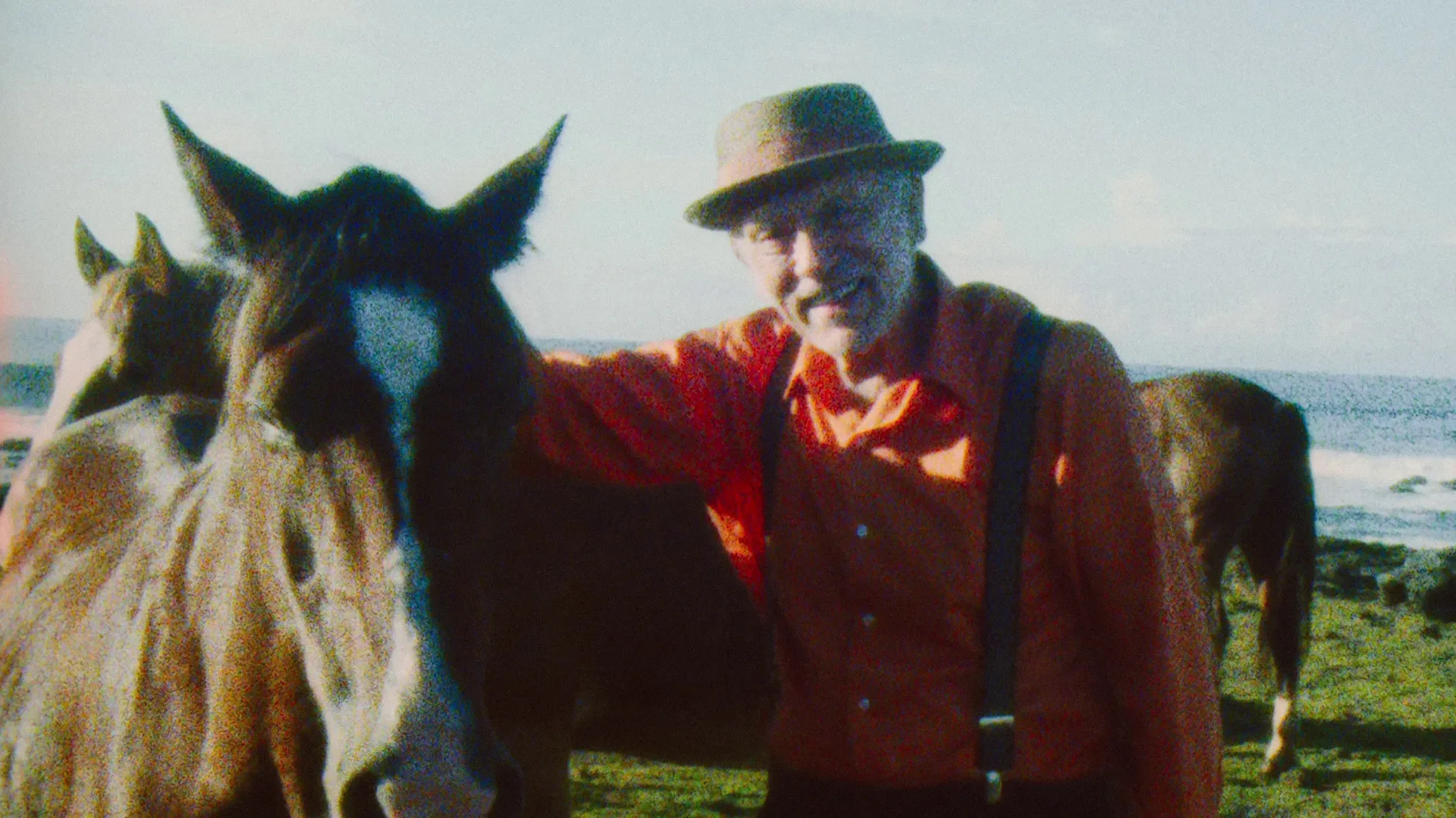
Themes and larger filmmaker implications are far from the only worthwhile talking point on Wild Horse Nine, though. The film features lovely, understated cinematography from Ben Davis (a frequent McDonagh collaborator and photographer of several Marvel pictures). He shoots the undeveloped rolling hills of Rapa Nui—known to most Americans, including the films lead characters as "Easter Island"—with a calm, still camera, sticking to mostly sticks and smooth dolly shots and rarely handheld or flashy steadicam takes. The films takes every opportunity to slow down and enjoy an interlude of the sun rising, setting, or bouncing off of the Moʻai, the island's iconic "big heads." Davis is not the only returning member of McDonagh's crew, Carter Burwell also returns from past collaborations to score this film, although very sparingly. In fact, I'm not sure that I noticed any score used in the first hour of the film, as if there is a certain acceptance that we are coming towards the end before such a beautiful touch can be welcomed into the fold.
It cannot be overstated just how impressive Malkovich is at the center of the film. The veteran character actor has locked away all of his usual tricks in his toolbox and traded them for a different kind of specificity. Where he once played a scorned CIA agent threatening to write a memoir as a bumbling, shouting, paranoid fool in the Coens' Burn After Reading, he takes the remarkably similar-on-paper part in this film with a calmer approach. And even though there are familiar tropes, such as bloody-coughing into a napkin, he makes the same bold choices we've come to expect from him throughout—most notably maintaining a red but not quite teary wetness quality to his eyes, and drooping his mouth and slurring the odd word every so often. This performance has all the features of your golden age Malkovich in Shadow of a Vampire, but with an end result that skews much closer to something like Takashi Shimura in Ikiru. The film is worth seeing just for his performance alone.
Most reviews of Wild Horse Nine are sure to focus on Malkovich's late-career defining turn in the film, but that is not to say that he is the only standout. I'd be remiss to not also mention the incredible Ailín Salas, who shines in just a few scenes scattered throughout the film. Tom Waits appears for just one scene—like Parker Posey, relegated to a conversation across a telephone line— he nonetheless shines. His shovel-faced performance carries the signature growl and bottomless weight he's become known for across recent films like The Ballad of Buster Scruggs and The Old Man in the Gun. Waits bares the weight of the scorned hippie-movement in the lines of his scowl, and effortlessly delivers the resentment the baby boomer carried from the loving '60s into the grim '70s. A perfect scene partner for Malkovich, even if they never share the frame together.
You cannot talk about a fall release this day and age without mentioning its Oscar prospect. The easiest to pinpoint being John Malkovich in Actor in a Leading Role—it would be hard not to imagine they'll use him shouting "Don't ever let them get you into a car!" at Mariana Di Girolamo's Monica as his Oscar clip on the night of the ceremony. Sam Rockwell also turns in an expectedly brilliant and subtle supporting turn, careful to never steal the spotlight from Malkovich—or even Steve Buscemi in another impressive supporting part that shines in the films third act—while keeping the films relaxed momentum at pace through his delivery and rhythms. Burwell's score is used so infrequently that it may lack the flashiness necessary to propell to a much overdue win, let alone a nomination this year. That will certainly depend on just how much the Academy embraces the film at large. Unfortunately, while it is easy to imagine the film snagging up three acting nominations for its men, the women in the film might find a tougher path this awards season. Parker Posey, while undeniable in the role, only features for two scenes in the film, both of them phone calls. Mariana Di Girolamo gives a much more consistent and featured performance, but lacks that one great clip to launch her to a secured spot in the final 5. We'll have to wait and see if the critics' groups and guilds embrace her before calling it a sure thing. As for locks? Searchlight is unlikely to miss out on nominations in Best Picture and Best Original Screenplay for a film from McDonagh. The basement on this film is somewhere around 4 nominations, with the ceiling as high as 8-10.
“Well, we know now.”

★★★★½
Kenna Wong Ghaill