It Is Happening Again
It is happening again. It is happening again. The now iconic phrase first uttered on a Thursday night in 1990. Now repeated ad nauseam through Lynch-coded memes on social media, it first represented the return of a great darkness. A cry for help buried deep inside of David Lynch’s magnum opus. It is happening again. It is happening again. The evil has found its way back.
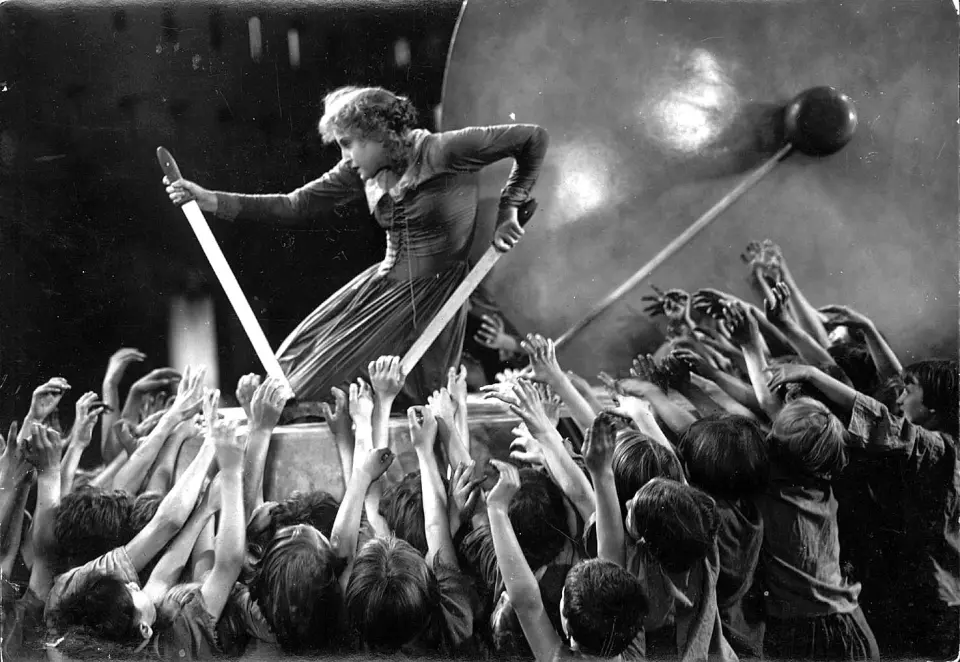
Fritz Lang did not leave Germany because he wanted to. He left because the ground beneath him collapsed, quietly at first, then all at once. By the early 1930s, Lang was one of the most powerful filmmakers in the world. Metropolis had failed financially but reshaped the language of cinema. M was a sensation, a film so attuned to fear, surveillance, and mob violence that it feels prophetic in hindsight. Germany was changing fast, and Lang was already filming its nightmares before they fully arrived.
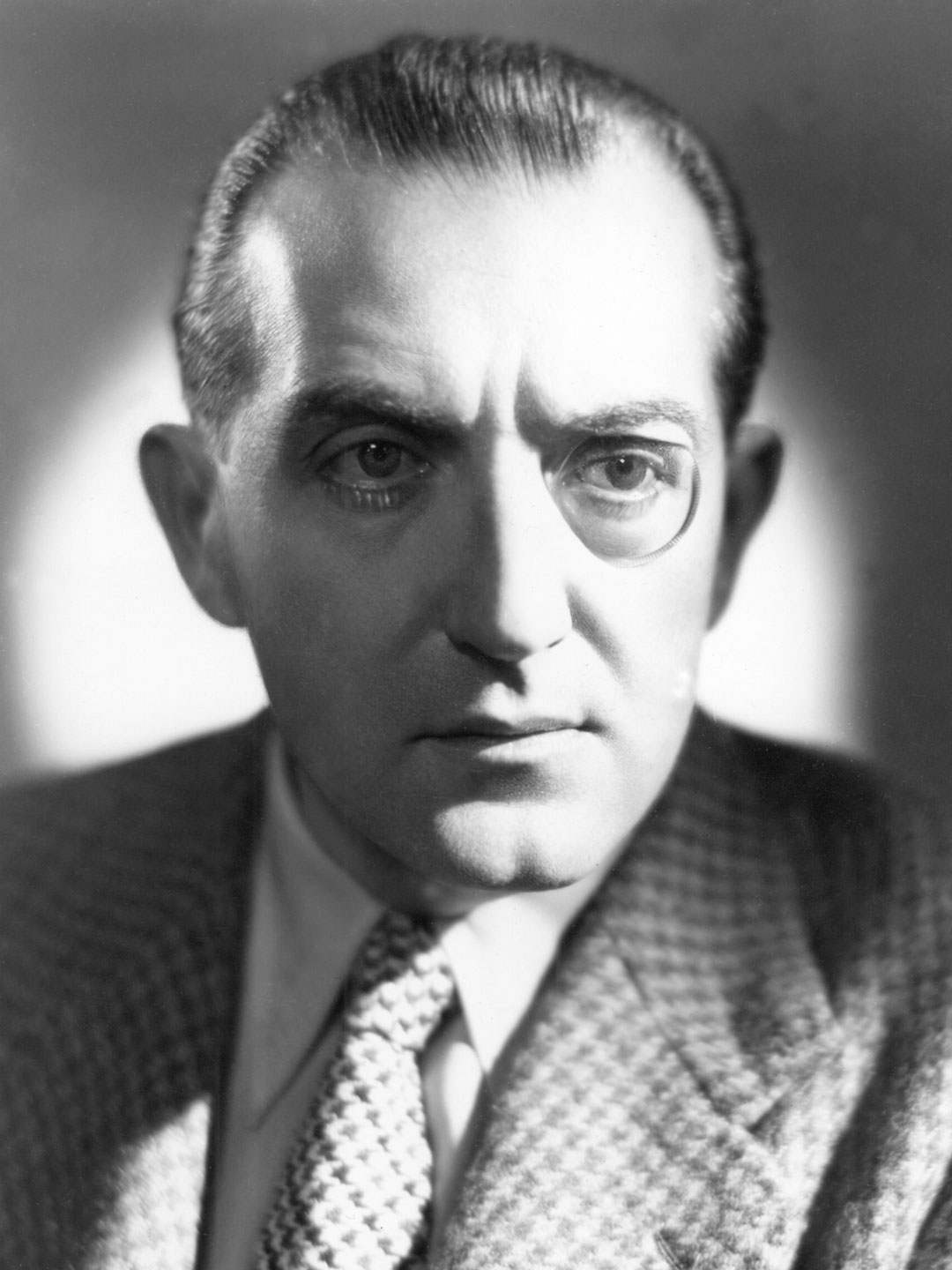
The Nazis noticed. Joseph Goebbels noticed most of all. After Hitler came to power in 1933, Lang was summoned to meet with him. Goebbels praised his work and offered him a role overseeing the future of German cinema. Lang made films about criminals and systems tightening around individuals. He understood the offer for what it was. If he stayed, his films would no longer be his. What he did not say in that meeting was that his mother was Jewish.
Lang claimed he left Germany that night, boarding a train with whatever money he had and never returning. Lang first went to Paris, then to Hollywood. The transition was difficult. In Germany, he had been a king. In America, the studio system sanded him down. Budgets shrank. Control slipped away. But something remained.
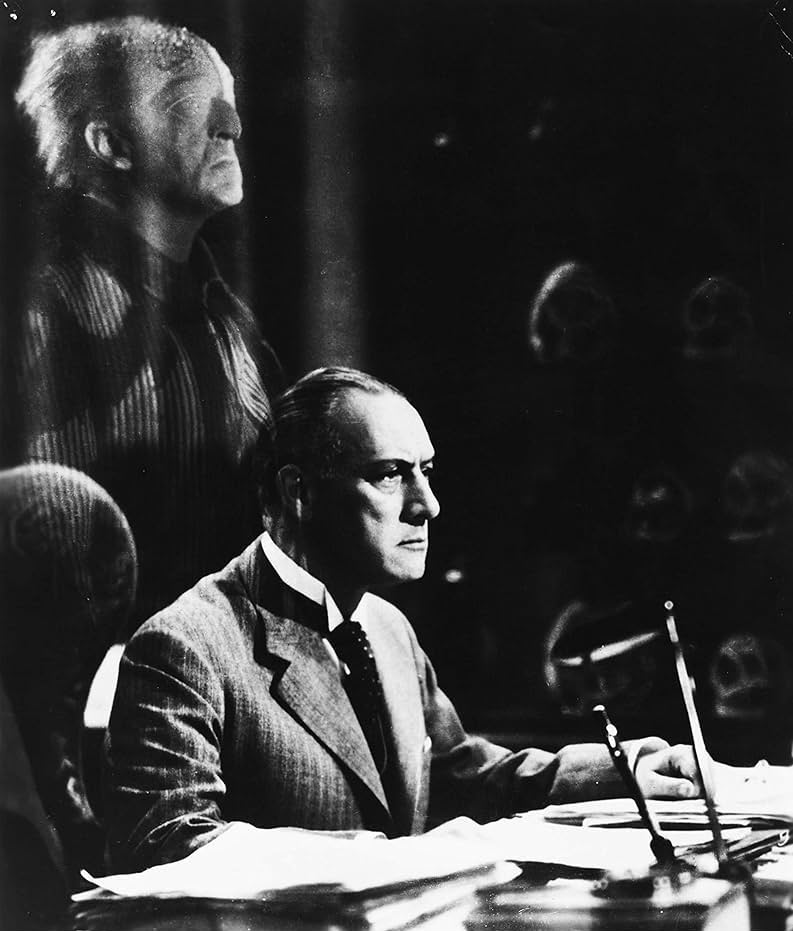
In his American films, you can still feel the weight of what he escaped. Fury, Scarlet Street, The Big Heat. These are films obsessed with corruption, with mobs, with institutions rotting from the inside. The villains are no longer dictators, but systems that look respectable until they aren’t.

Since 2000, some of the most urgent films in the world have been made under conditions designed to prevent their existence at all. Authoritarian regimes do not just censor images; they criminalize perspective. To make a film in these environments is to risk surveillance, arrest, exile, or worse.
Jafar Panahi has built an entire body of work inside these constraints. House arrest, travel bans, filming prohibitions, none of it stopped him. It Was Just an Accident is framed as something small, incidental, almost casual, but that title is a lie. The film understands how power insists on calling its own violence accidental, procedural, and unavoidable. You can trace similar strategies in films from Russia, from China, from parts of the Middle East, and Eastern Europe.
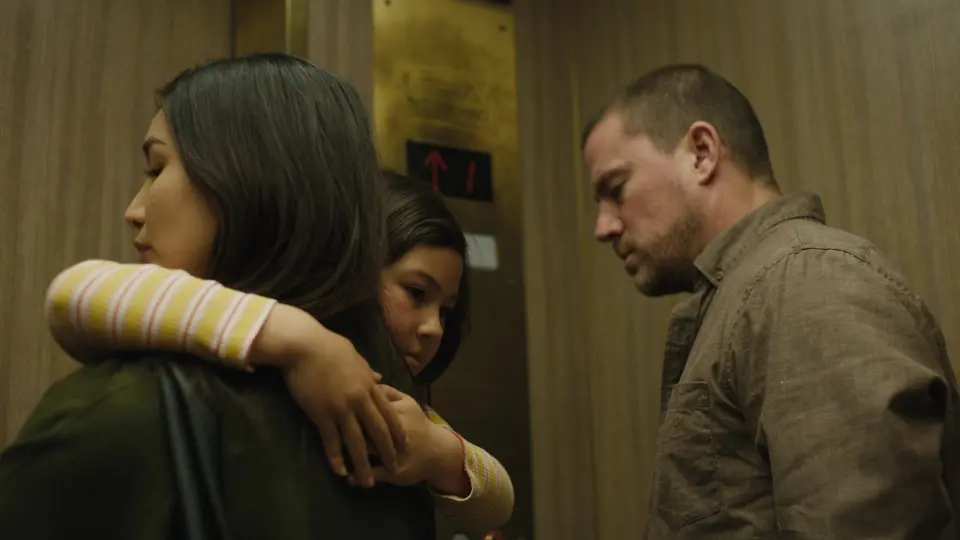
What is striking, looking at this landscape, is how little of it applies to American cinema right now, and how comfortable that absence has made filmmakers. Whatever else can be said about the industry, directors here are not being banned from working, imprisoned for filming, or forced to smuggle their movies out on flash drives. And yet, when American films do brush up against power, they so often soften it into metaphor or cartoon humor. One Battle After Another is well-intentioned, but its villains are rendered as jokes, their threat defanged for laughs, their ideology flattened into costume. It is easier to parody evil than to name it. The problem is not a lack of freedom. It is a lack of urgency. American filmmakers still have the luxury of speaking plainly, but too many of them choose not to.
In the later years of his life, David Lynch returned to Twin Peaks. In Part 8 of The Return, he goes back to the beginning, back to the moment evil enters the world. A door opens. Something comes through. It is allowed. It is not stopped. It is happening again.
Pier Paolo Pasolini did not get a return. After Salò, he was murdered. The reasons remain officially unclear. Fascism does not forgive being named. In February of 1933, artists left Germany because they felt the air change. Some are leaving now, some are staying. The question does not go away: who leaves because they see what’s coming, and who leaves because they are afraid to push the devil back into hell while there is still time?
Kenna Wong Ghaill
Continue this conversation with me at the Art Theatre’s screenings of “M” on March 28th & 29th at 11:00am, where I’ll be discussing Fritz Lang’s career and legacy in more detail.
Edited by Matt Miller.
Special thanks to Noelle Conley for providing invaluable notes and feedback.
Thanks to Edlyn Garcia, Jacob Siciliano, Saige Kristian and Lex Ghaill for their time and grace in reading and providing support.
Originally published [abridged] on Friday, March 20 in The Ardent.