Sundance Review: "Josephine"
Will the feel-bad breakout of the "last Sundance" be this year's CODA?
This weekend, Josephine (the sophomore feature from writer-director Beth de Araújo) took both the Grand Jury and Audience awards at Sundance, placing it alongside Precious, Whiplash, CODA and Minari, films that went on to define their years. Whether it follows that path remains to be seen.

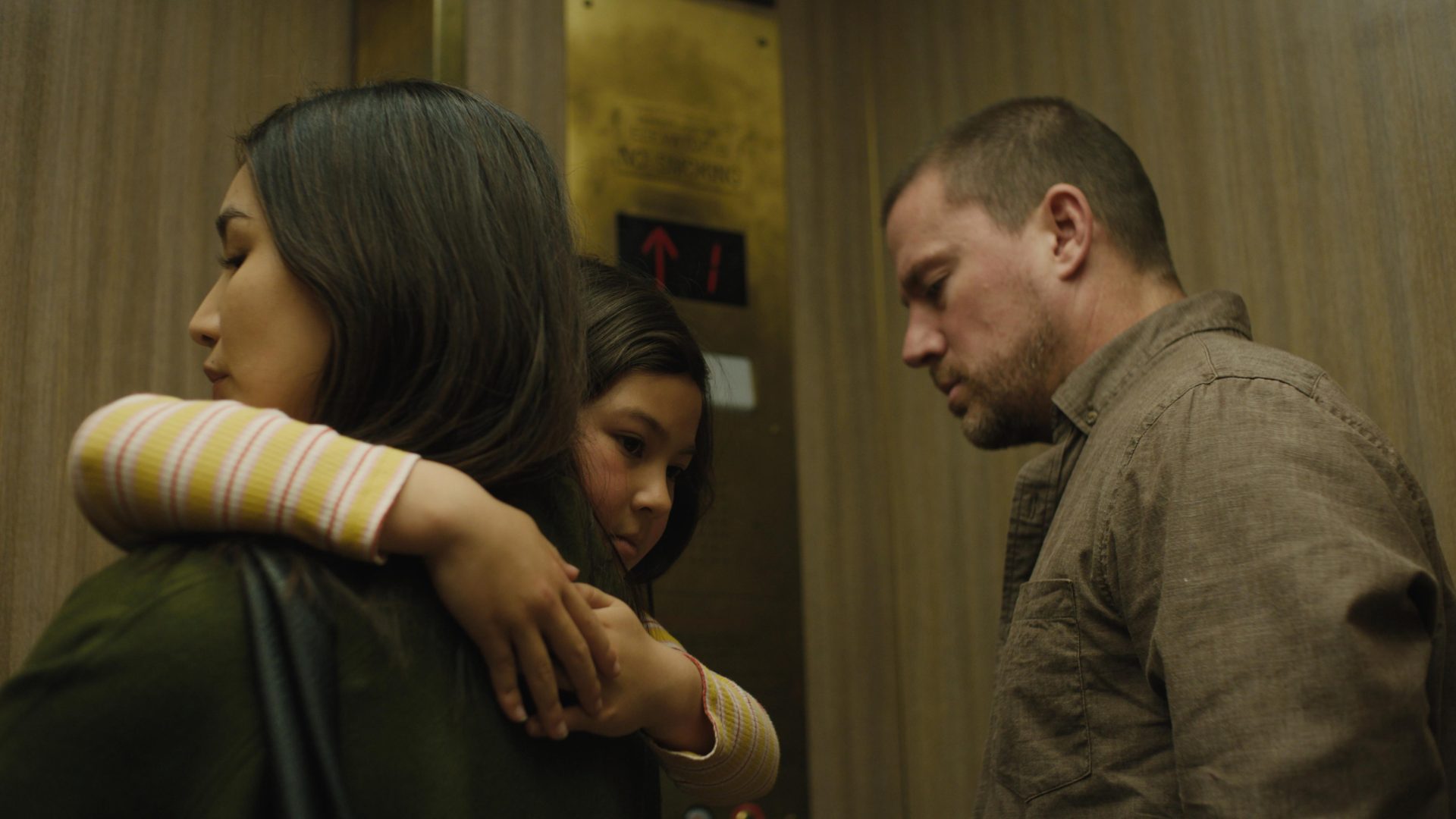
Josephine is eight years old when she witnesses a rape in Golden Gate Park. She is not the victim, but that distinction barely matters. The violence enters her life without explanation or containment, and the world no longer feels the way it did the day before. Somewhere nearby, a man hurt a woman.
Knowledge arrives before language. Fear metabolizes in the body.
The film never leaves Josephine’s perspective, and it never needs to. What it understands, with devastating clarity, is being a little girl is a state of constant exposure. Josephine responds not by retreating, but by hardening. She lashes out and pushes back. Her violence is a form of self defense, crude and misapplied.
Araújo directs with extraordinary restraint, allowing these shifts to emerge with patience. The long, fluid takes follow Josephine as she moves through spaces that no longer feel neutral. Greta Zozula’s cinematography tightens the frame around Josephine’s experience, making the world feel too close and impossible to control.
Mason Reeves gives a frighteningly attuned performance. There is no signaling, no insistence on our sympathy. You can see the exact moment when Josephine starts noticing everything. Men’s bodies. Hands. Proximity. Sound.
Her parents (Channing Tatum and Gemma Chan) are desperate and unprepared. He moves toward protection through force and immediacy. She searches for understanding, for the right words, for a way to guide her daughter back to herself. They drive Josephine everywhere. Home. Therapy. Self defense class. Anywhere that promises structure. Their devotion is unquestionable. Their solutions are inadequate.
The film is especially sharp about how adult intervention, even when rooted in care, can feel like another invasion. Josephine is constantly being watched, corrected and explained to. She is left fighting for autonomy.
Moment after brutal moment, Josephine is asking questions she should not have words for yet. Seeing ordinary intimacy as threat. Witnessing a small gesture in public that reactivates everything. A body that has learned it must be ready at all times.
The film never reaches for catharsis. It understands that for a child, resolution is not a given. Sometimes there is only management. Sometimes there is only memory.
★★★★½
Kenna Wong Ghaill