Metropolis Divided
They spoke the same language but could not understand each other.
Featured [in the Art Theatre of Long Beach and City Fabrick's Designing Resistance film week] alongside films about protest, architecture, and the ways artists confront authoritarian power, Metropolis occupies a strange place in this conversation. Few films have rendered oppression so vividly or visualized the crushing weight of industrialism with such overwhelming viscerality. Unlike the other works in this series, Metropolis is not only about resistance, it is also about the fear of resistance. Fascinated by rebellion, seduced by revolution, and terrified of what revolt might unleash.

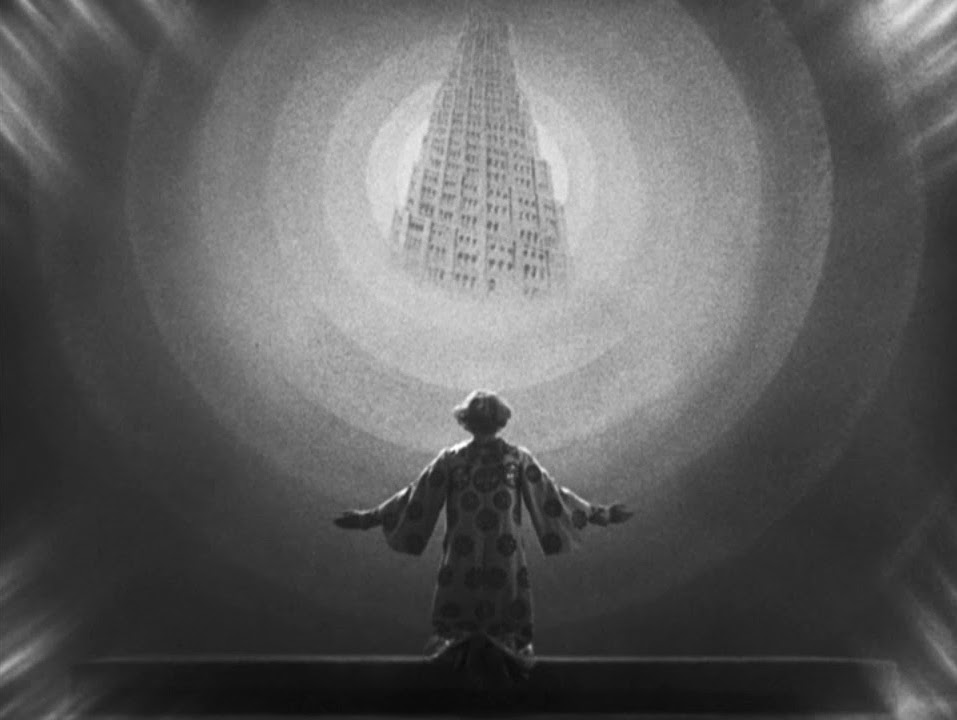
When Maria tells the story of the Tower of Babel midway through the film, she is ostensibly explaining the failure of the ancient world. "The brains who conceived the Tower of Babel could not build it," she says. "The hands who built it knew nothing of the dream in the brains." The workers and planners, labor and management, the hands and the head. Babel collapsed because the people tasked with building it no longer understood one another.
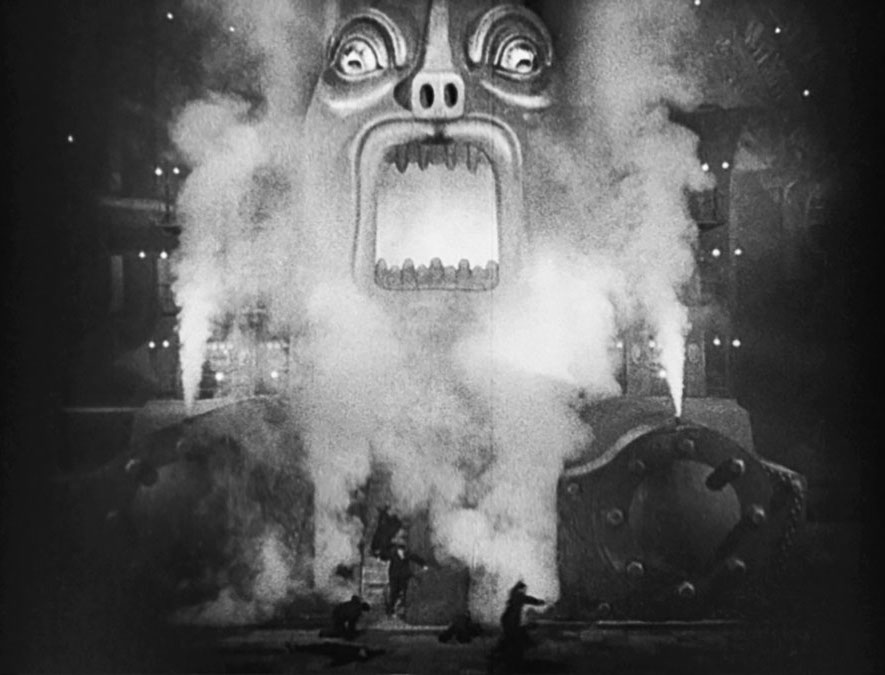
Metropolis opens with the brutal depiction of industrial exploitation, staging labor as death. Workers march until their bodies are swallowed whole, annihilated by rhythm and repetition. In one of the film's most iconic sequences, Freder hallucinates a machine transforming into Moloch, the ancient god, devouring workers as they are fed into its jaws. Later in the story, the false Maria screams to the crowd: "Who is the living food for the machines in Metropolis? Who lubricates the machine joints with their own blood? Who feeds the machines with their own flesh?" The worker is not just oppressed but consumed, and when the workers finally rise, the film recoils.

The workers become a mob, hysterical and irrational, duped into destroying the systems that sustain them. Their revolt is catastrophic. The film first teaches you to hate the ruling class, then begs you not to do anything about it. Because Metropolis does not end in revolution, it ends in reconciliation, "The mediator between the head and the hands must be the heart." They do not overthrow the ruling class and those in power are not punished, their system remains intact with the promise that they may become slightly kinder.
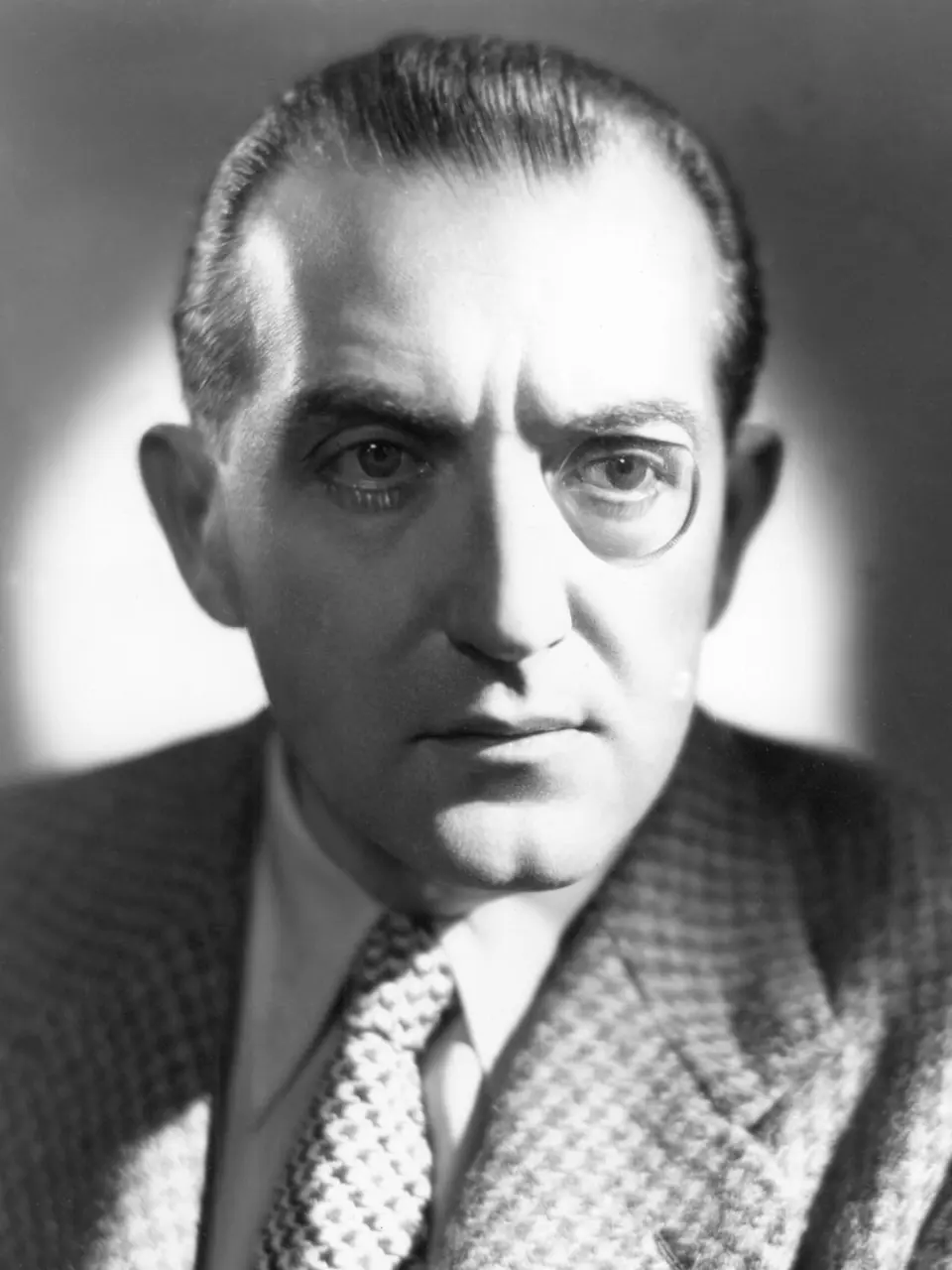
How can a film so clear-eyed in its depiction of exploitation arrive at such a toothless conclusion? The contradictions of Metropolis are not only thematic, they are also marital. Three years into her marriage with director Fritz Lang, Thea von Harbou wrote Metropolis, first as a serialized novel, then as the screenplay for what would become the most expensive film in German history. Stripped of Lang's shadows and nightmare imagery, her intentions come through. The novel leans into mysticism, biblical allegory, and spiritual moralizing, foregrounding the mediator philosophy not as a compromise but as a moral truth.
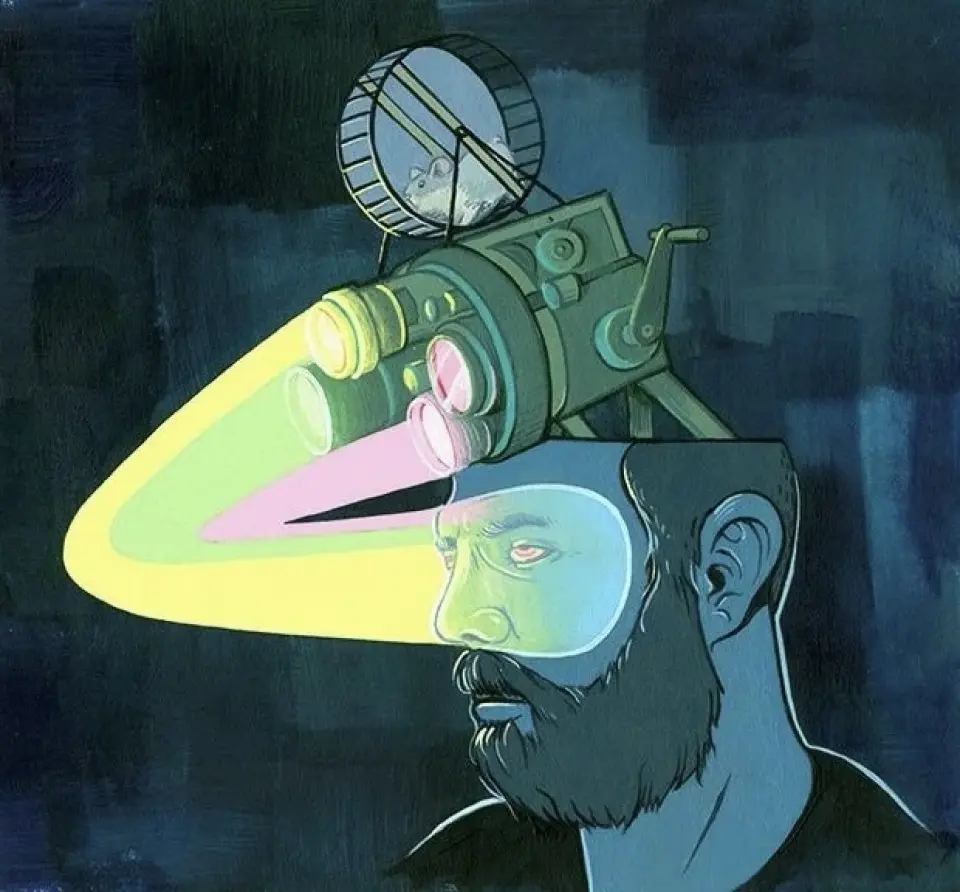
The reconciliation between worker and ruler was baked into the story from inception. Lang portrays class warfare as horror while Harbou insists the answer is obedience. Because Metropolis is not one ideology, it is two. The lovers are speaking through the same film, but not saying the same thing.
Lang saw systems, governments, mobs, police, bureaucracy, as inherently corrupting. His films often return to the terror of being trapped inside a structure too vast to resist. Even before fleeing Germany, his work was consumed with paranoia, surveillance, and the tightening of authoritarian power.
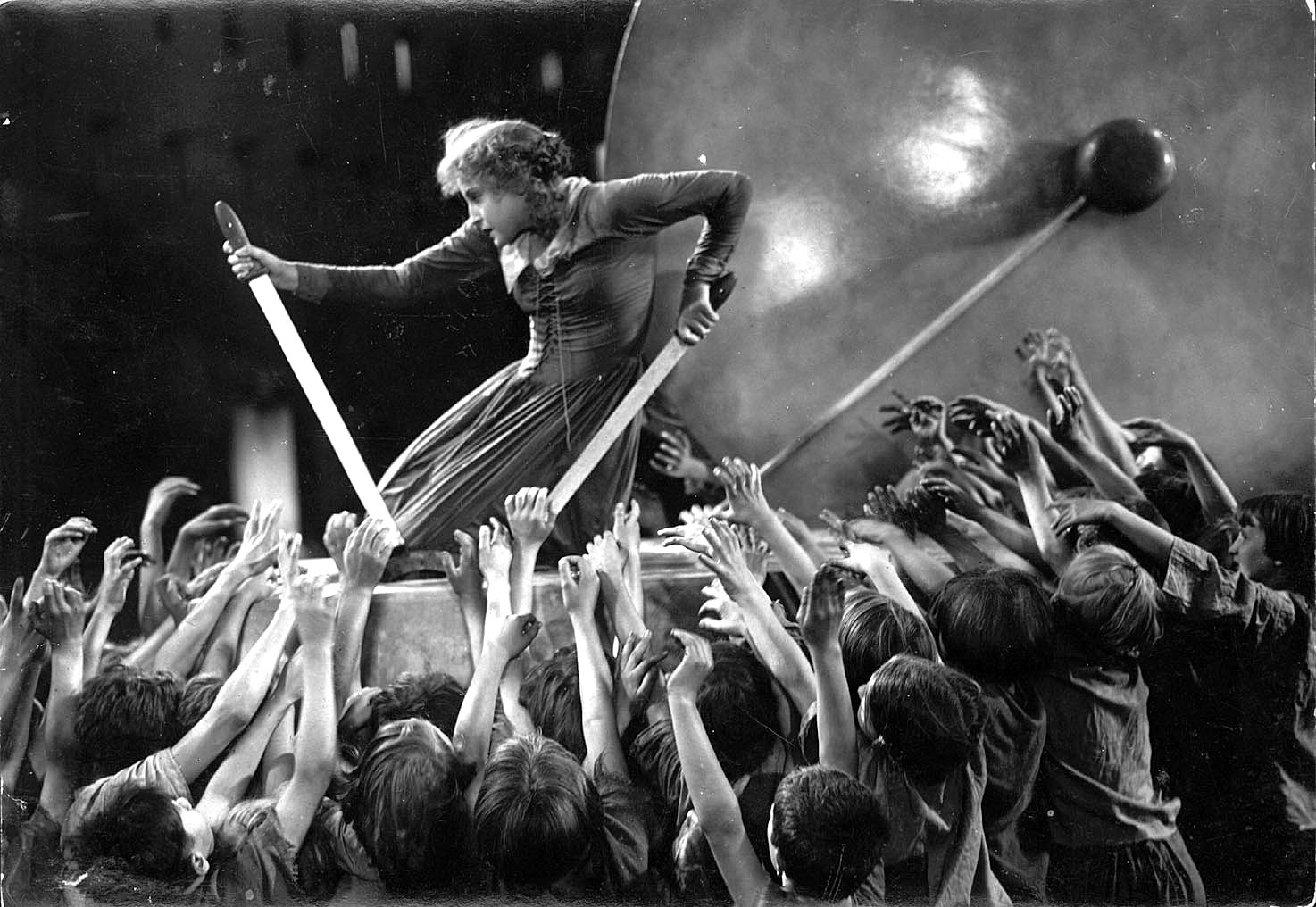
Throughout the Weimar years, Harbou was consumed by nationalism. She would remain in Germany after Lang fled, joining the Nazi Party. Where Lang feared systems, Harbou believed in them. Where Lang saw oppression, Harbou saw the possibility of unity. That tension is written directly into Metropolis itself. Lang gives us the nightmare and Harbou gives us the solution. Two artists building the same tower while dreaming of different worlds. They spoke the same language but could not understand each other.
Metropolis recognizes class struggle but rejects class warfare. It condemns exploitation while warning against revolt. It imagines a society where labor and capital reconcile beneath a benevolent mediator. The film reminds us that protest art is not inherently liberatory because it depicts oppression. Art can critique power while still fearing the consequences of dismantling it.
Many of the films in Designing Resistance ask how artists use form to confront domination. Metropolis asks something darker: what happens when the artist himself is divided? What happens when resistance imagery is filtered through competing worldviews, one yearning toward liberation, the other toward unification.

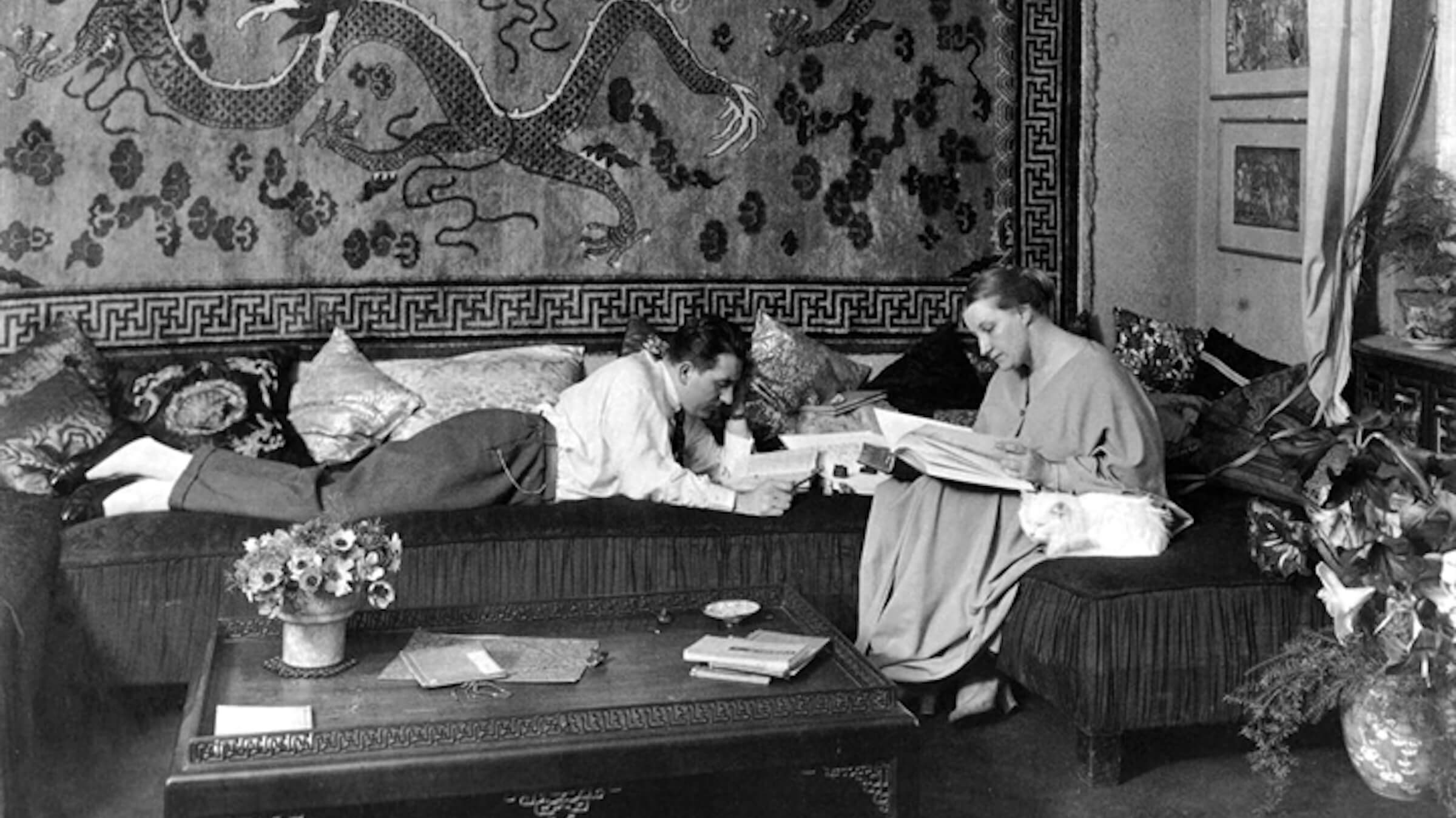
Their divorce came later, but by then the separation had already happened. It happened here, in Metropolis, in every contradiction embedded inside it. They spoke the same language but could not understand each other.
Metropolis is regarded as prophetic. Not because it predicted fascism, although it did. Not because it foresaw industrial alienation, although it did that too. But because it captured the moment before the fracture, before Germany split apart, before its artists chose sides, before one fled and the other stayed. The tower had already begun to fall.
Kenna Wong Ghaill
Continue this conversation at the Art Theatre’s screening of Metropolis, with a live score by Cliff Retallick and an introduction by Dr. Laura Ceia on Sunday, April 26th at 2:00pm, as a part of their Designing Resistance Film Week in collaboration with City Fabrick.
Originally published on Friday, April 24, 2026 in the program for Designing Resistance Film Week, presented by City Fabrick and the Art Theatre of Long Beach.